About Chris
I trained at the Birmingham Trust for Psychoanalytic Psychotherapy and am registered in the UK with the Association of Child Psychotherapists (ACP). My approach is thoughtful, careful and compassionate, grounded in listening and the belief that symptoms have meaning. I aim to help young people and families make sense of emotional and behavioural difficulties, rather than simply managing them.
Whether working online or in person, I offer a reliable and reflective space in which young people can explore their inner worlds, develop insight, and find new ways of relating to themselves and others. I also work closely with parents and carers, helping them think about what their child may be communicating through behaviour, feelings, or distress.
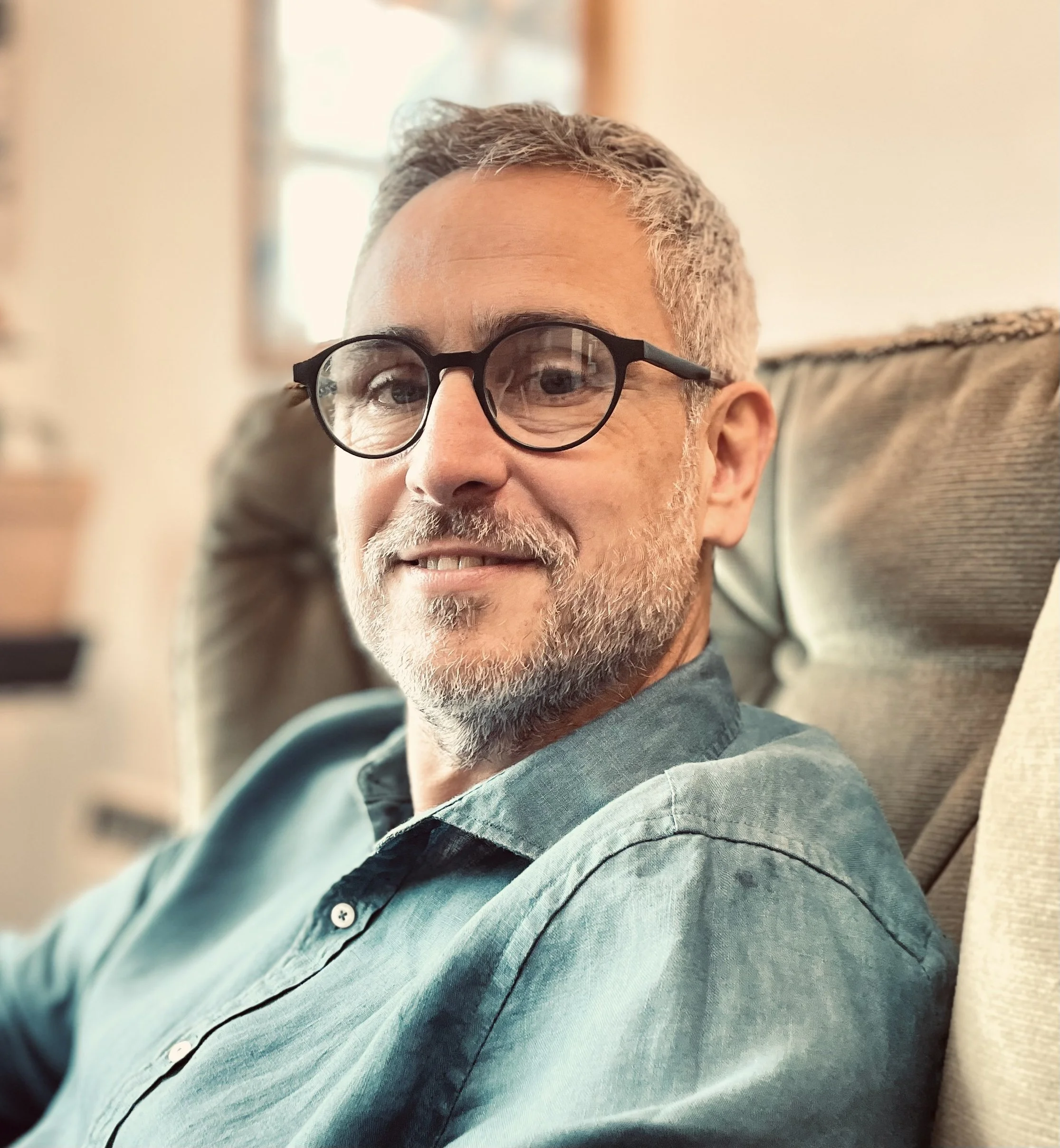
“My practice is grounded in a deep understanding of child and adolescent development, and in the belief that meaningful, lasting change comes from exploring both conscious and unconscious aspects of experience.”
I am a Child and Adolescent Psychoanalytic Psychotherapist with more than thirty years’ experience working with children, teenagers, young adults and their families in both schools and clinics. I have worked as a teacher, SENCo, senior manager and NHS CAMHS clinician, working with all age groups from infancy to adulthood, and with both schools and parents.

Training and Professional Background
I completed the Tavistock Clinic’s two year postgraduate Master’s in Psychoanalytic Observational Studies (M7) in Oxford, followed by a four year full time clinical training with the Birmingham Trust for Psychoanalytic Psychotherapy. Both are NHS-accredited programmes.
This training involved academic study, intensive clinical work within an NHS setting, ongoing supervision, and extensive personal analysis.
Prior to this, I trained as a teacher and worked for many years both in the UK and abroad as a specialist with younger children and those with Special Educational Needs and Disabilities, including Autism. I also worked as a clinician in community CAMHS settings for many years prior to my specialist training and for the Learning Disability CAMHS team.
I also hold degrees in Education and Psychology. My full membership of the ACP means I meet the professional and ethical standards recognised by the Professional Standards Authority and the Department of Health. I remain committed to ongoing professional development and regular clinical supervision to support safe, reflective practice.
My work reflects specialist knowledge of psychological and emotional development from infancy onwards. My background in both education and mental health allows me to think about the whole system surrounding a child - family, home, school or college, and wider relationships - while offering thoughtful therapeutic work with the young person.
Next steps
If you’d like to discuss whether psychotherapy could help your child or teenager, you're welcome to get in touch.
We can arrange an initial meeting to explore your concerns and consider what support might be helpful.